Eating peanuts every day changed how memory-related areas of older adults’ brains responded to insulin, a small Dutch trial found. The results offer a possible explanation for an earlier, modest improvement on a memory test.
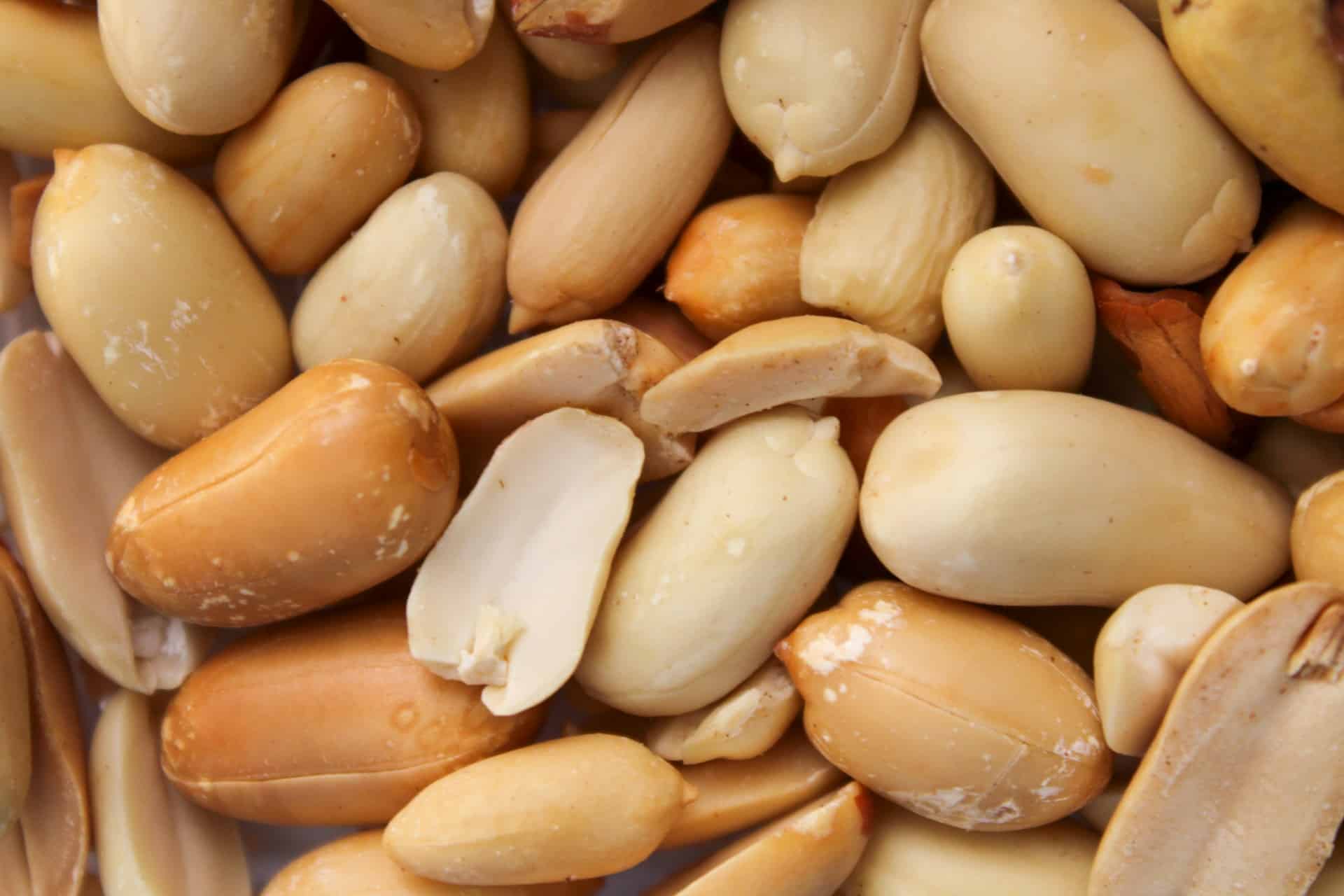
Researchers at Maastricht University Medical Centre studied dozens of healthy adults aged 60–75, comparing 16 weeks of eating 60g of unsalted, skin-roasted peanuts daily with an equally long period without peanuts.
Their findings, published in the Food & Function magazine, suggest a potentially beneficial change in the brain’s response to insulin.
The crucial hormone does more than regulate blood sugar: it also helps nerve cells communicate and supports memory.
Researchers measured its effects using MRI scans after administering insulin through the nose. The scans identified a changed blood-flow response in an area overlapping brain structures involved in memory.
Read more: Eat together to lower blood sugar spike, scientists urge
What did peanuts help improve
The memory finding came from an earlier paper using the same trial, published in 2025. Participants performed 5.8% better on one delayed verbal-memory test during the peanut phase, which was equivalent to around 1.4 additional words correctly recognised. Overall brain blood flow increased by 3.6%.
Researchers found no improvement in executive function, which includes planning and managing tasks, or in measures of processing speed. The latest paper investigates a possible mechanism behind the earlier results rather than providing a second, independent demonstration of better memory.
Read more: What a turmeric trial found about treating indigestion
The trial failed to establish that peanuts prevent Alzheimer’s disease or dementia. Its small sample and focus on healthy older adults also limit how widely the findings can be applied.
The research was funded by The Peanut Institute Foundation. The authors insisted the foundation had no role in designing the study, analysing the data or writing the paper. ScienceDaily’s report was based on material supplied by The Peanut Institute.